Prepare
Inspect and prepare
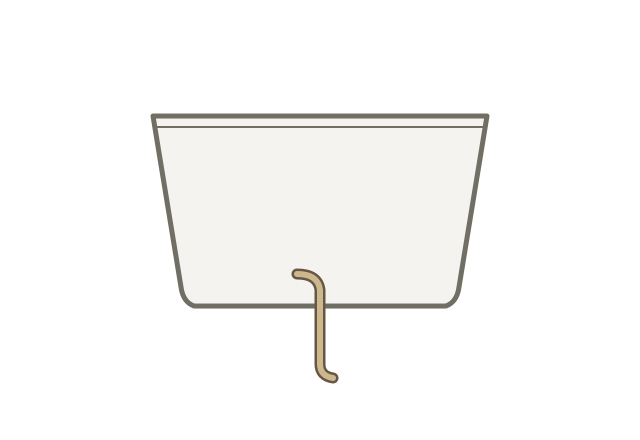
Check that the intended plant and mix suit this model. Wet the supplied wick and fit it through the liner.
Wick One · adviser desk lesson
Understand the water path, demonstrate setup and explain what customers need to check.
Fictional learning sample. Product and rules are illustrative examples.
Understand the path
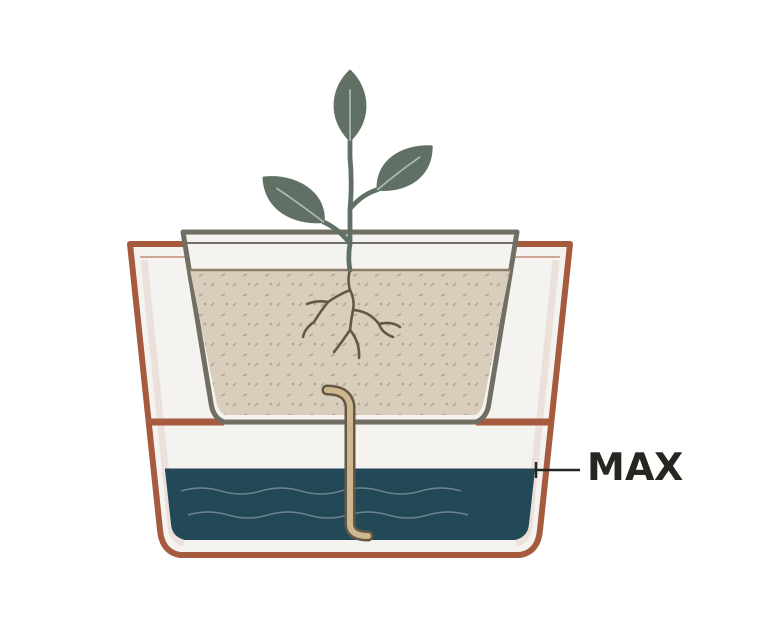
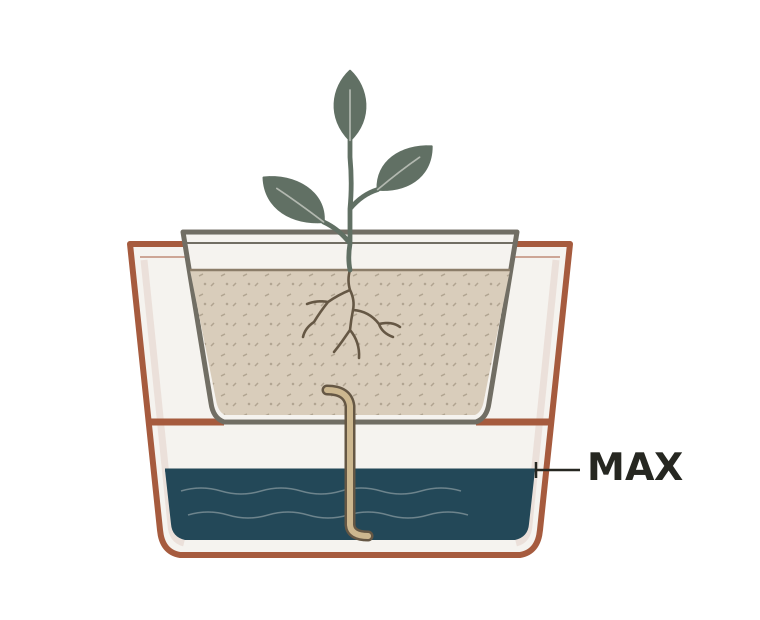
Water is stored below the liner. A wick carries it into the potting mix, where the plant’s roots can take up moisture. Explore the cutaway to see how these parts connect.
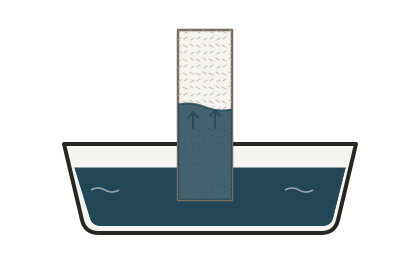
Select a part; full explanations stay below.
Full cutaway shown.
The reservoir is the water store in the outer pot, below the liner. Its visible MAX mark is an upper fill limit, not a target to exceed.
The absorbent wick connects the reservoir water to the mix. Its lower end must reach water and its upper end must sit in the mix beneath the root ball. Wetting a wick cannot bridge a gap.
The mix surrounds the roots. Suitable container mix needs to hold moisture while still allowing air and drainage. Mixes and plant needs vary.
Water reaches the roots through the mix. Check the mix itself as well as the reservoir; the water level alone does not tell you whether the plant needs a refill.
First setup
This setup uses a moisture-preferring foliage plant and compatible potting mix. Follow the instructions for the model you are demonstrating.
Prepare
Check that the intended plant and mix suit this model. Wet the supplied wick and fit it through the liner.
Plant
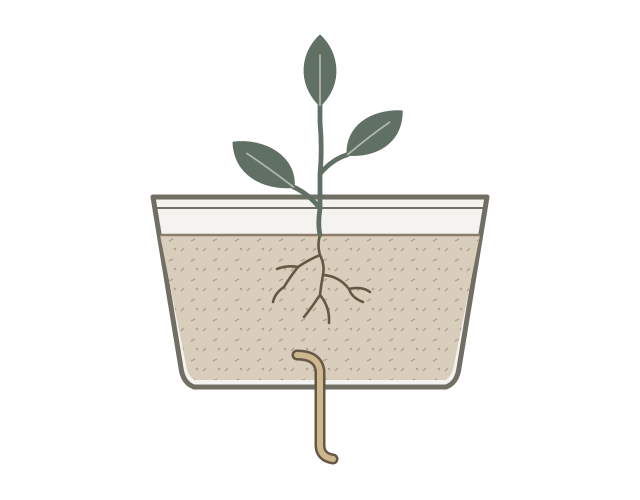
Lightly moisten appropriate potting mix. Keep the wick’s upper end in the mix beneath the root ball and its lower end free. Plant without burying the stem.
Fill
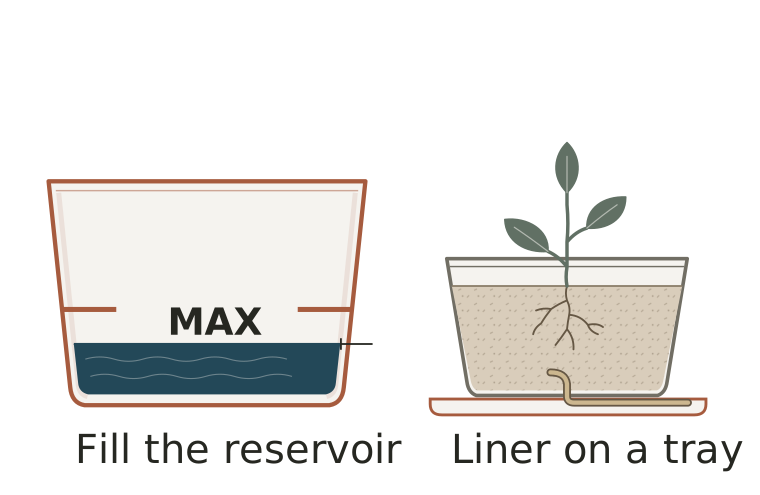
Set the liner on a tray. Fill the outer reservoir no higher than MAX and remove excess water before returning the liner.
Seat and check
Reseat the liner on its supports. Check that its lower wick end reaches water and its upper end reaches the mix. The mix remains above the reservoir.
Try a customer situation
Choose the action you would recommend to the customer. Read the explanation, then try again if you want to reconsider.
Practice only; not a grade or certification.
Explain it in your own words
Write a brief explanation you could give to a customer. You may use your own notes instead. Anything you type stays on this page and is not sent anywhere.
Example response
“The reservoir stores water below the liner, and the wick carries it into the potting mix when it reaches both. We still check the mix and reservoir against the plant’s care needs. I can’t promise it will last two weeks.”
Compare and revise for yourself. Your writing is not automatically scored.
Keep nearby